
 09 April 2026
 Share
Share
1
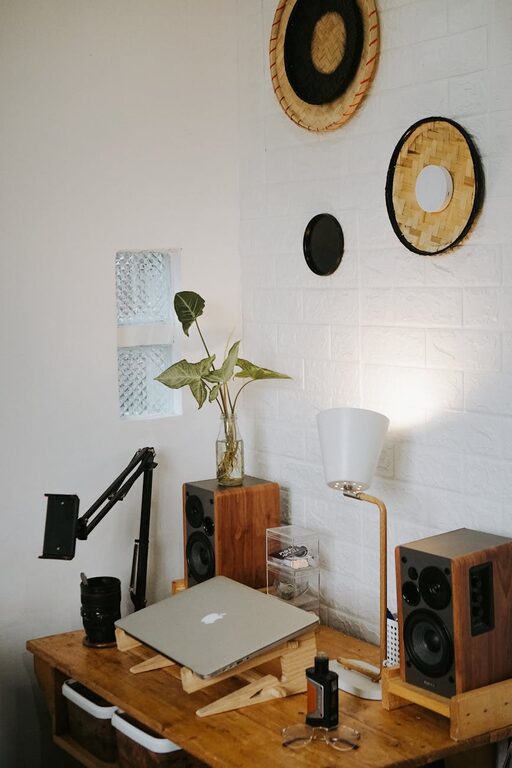
Creating a home workspace that is both cozy and productive is key to maintaining focus and comfort during your workday. Whether you’re working remotely full-time or need a dedicated spot for occasional tasks, making your workspace inviting yet efficient can improve your motivation and output. Here are some practical tips to help you design the perfect home office environment.
Natural light can boost mood and energy levels. If possible, position your workspace near a window. This not only brightens the space but also provides a view that can offer a mental break during busy days.
Pick a quiet corner or room, away from household traffic, noise, or distractions. If your home has limited space, use room dividers or noise-cancelling headphones to create a sense of separation.
Long hours at a desk require a supportive chair that promotes good posture. Look for an adjustable chair with lumbar support, and pair it with a desk at the right height to reduce strain.
For added comfort, consider a footrest or cushions. These small additions can reduce fatigue and promote healthy sitting habits.
A tidy workspace can help clear your mind and make tasks easier to manage. Keep only essential items on your desk and store away extras.
Invest in shelves, drawers, or desk organizers to keep documents, supplies, and tech accessories in order. Labeling containers can save time and reduce frustration when searching for items.
Choose colors that help you relax and focus, like soft blues, greens, or neutrals. Decorate your workspace with plants, artwork, or items that inspire positivity.
Photos, quotes, or memorabilia can create a sense of warmth and motivation without overcrowding the area.
Combine natural light with adjustable overhead and task lighting. A desk lamp with adjustable brightness can reduce eye strain during late work sessions.
Place screens and lamps to avoid harsh reflections, which can cause discomfort and distraction.
Ensure you have reliable internet, a good-quality monitor, keyboard, and mouse. These tools can enhance efficiency and reduce frustration.
Use cable organizers or clips to prevent tangles and maintain a neat appearance.
Set specific working hours to balance productivity and downtime. This routine can help your brain associate your workspace with focused activity.
Use signs or other signals to indicate when you’re busy, helping to reduce interruptions.
Incorporate time for quick stretches or short walks to stay energized and prevent stiffness.
Consider a sit-stand desk or a high table to change your posture throughout the day.
Open windows when possible or use air purifiers to keep the air fresh.
Some indoor plants can naturally filter air and add a splash of greenery to boost mood.
—
By thoughtfully combining comfort, organization, and function, your home workspace can become a cozy, efficient place that supports your daily work and well-being. Taking the time to tailor your environment will pay off with increased focus and satisfaction. Happy workspace creating!
