 09 April 2026
 Share
Share
1
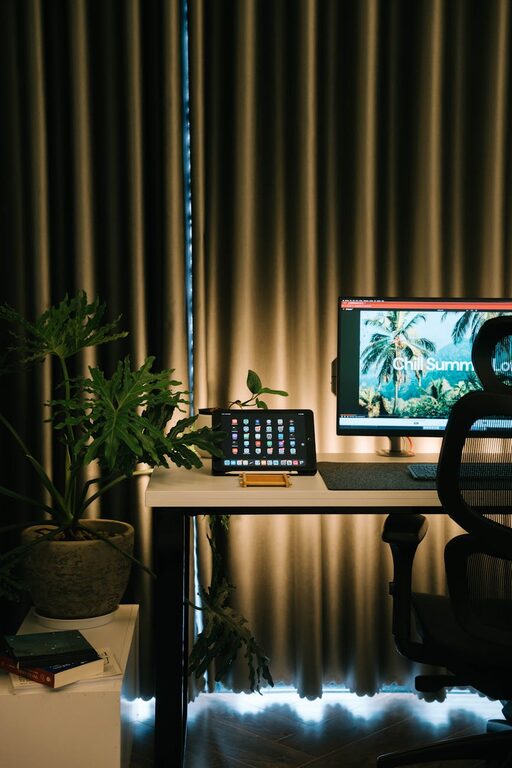
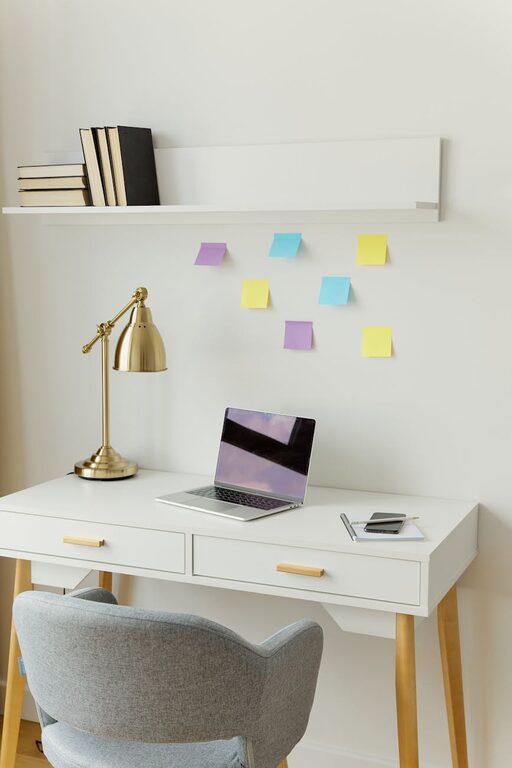
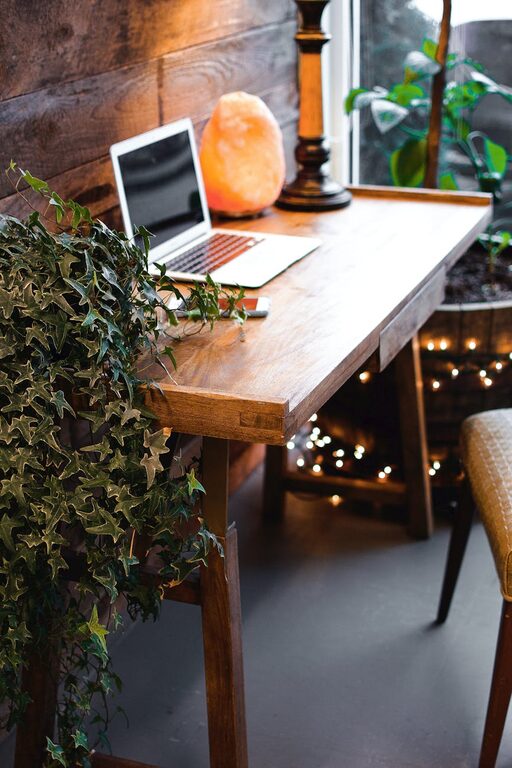
Creating a home office that feels both cozy and productive can be a key factor in your success when working remotely or managing tasks from home. A well-designed workspace not only motivates you but also helps maintain focus and reduce stress. In this article, we will explore practical tips to help you set up a home office that suits your needs and style, while encouraging productivity throughout your workday.
Selecting the perfect spot for your home office is the foundation of a functional workspace. Consider the following:
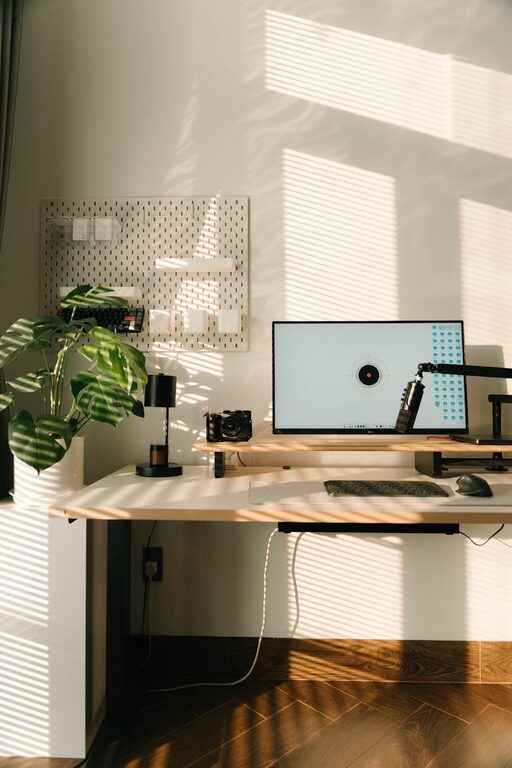
– Natural Light: Pick a space near a window to take advantage of natural light. It can reduce eye strain and boost mood.
– Noise Levels: Find a quiet corner or a room away from noisy areas like the living room or kitchen.
– Space Availability: Make sure there is enough room for your desk, chair, and any storage needs without feeling cramped.
If space is limited, even a small nook can be transformed into a productive workstation with the right setup.
Your furniture should support both comfort and efficiency.
– Ergonomic Chair: Choose a chair with good lumbar support to maintain proper posture and prevent back pain.
– Desk Size and Height: Select a desk that fits your equipment and leaves enough surface space for writing or other tasks. Adjustable desks that allow sitting and standing are a bonus.
– Storage Solutions: Incorporate shelves, drawers, or filing cabinets to keep your workspace tidy and clutter-free.
Comfortable furniture reduces physical strain and helps keep you focused longer.
Proper lighting is essential for reducing eye fatigue and creating a welcoming atmosphere.
– Layered Lighting: Use a combination of ambient (overhead), task (desk lamp), and accent lighting to balance brightness.
– Avoid Glare: Position your monitor and light sources to minimize screen glare.
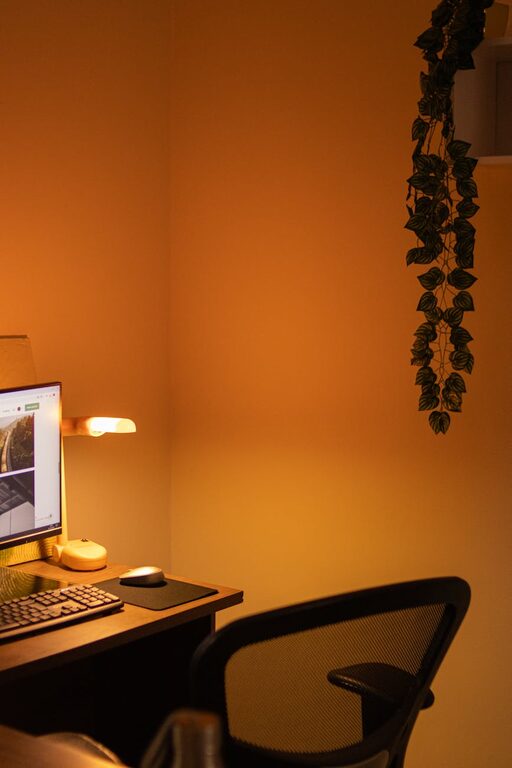
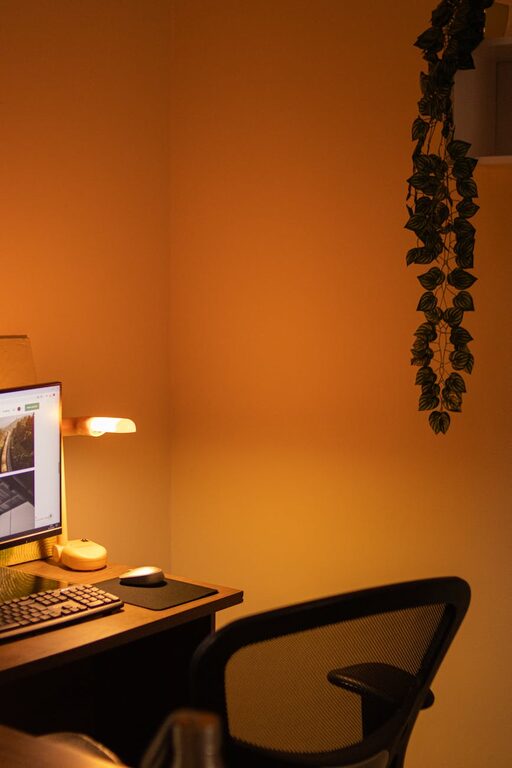
– Warm Light Bulbs: Choose bulbs with warm tones to create a cozy environment rather than harsh, bright lights.
Good lighting contributes to both comfort and concentration during work hours.
Adding personal touches can make your home office more inviting and inspiring.
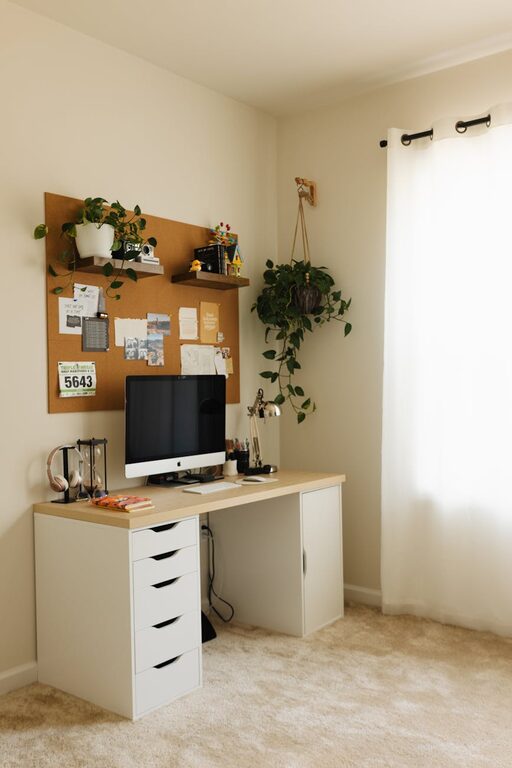
– Decor: Use artwork, plants, or meaningful objects to add personality.
– Color Palette: Choose colors that promote calmness and focus, such as soft blues, greens, or neutrals.
– Inspiration Board: Keep a board with motivational quotes or goals to encourage productivity.
Personalization helps you feel connected to your workspace and boosts motivation.
A clutter-free desk makes working easier and less stressful.
– Cable Organizers: Use clips, sleeves, or boxes to hide and sort cables.
– Essential Tech Only: Keep only necessary devices on your desk to avoid distractions.
– Regular Maintenance: Update software and clean your devices to ensure smooth functioning.
Efficient cable and technology management contribute to a neat and efficient workspace.
Staying organized is crucial for productivity.
– Planners and Calendars: Keep track of tasks and deadlines with physical or digital planners.
– Desk Organizers: Use trays, pen holders, and file sorters to keep supplies within reach.
– Declutter Regularly: Set aside time weekly to tidy and organize your space.
Organization reduces stress and helps you focus on your work.
Maintaining a clear separation between work and personal time helps with work-life balance.
– Dedicated Workspace: Avoid working from places associated with relaxation, like the bed or couch.
– Set Hours: Define working hours and communicate them to household members.
– End-of-Day Routine: Develop a ritual to signal the end of work, such as shutting down your computer or tidying your desk.
Clear boundaries encourage productivity during work and relaxation afterwards.
Comfort helps sustain energy and well-being throughout the day.
– Soft Textiles: Incorporate cozy blankets, cushions, or rugs.
– Air Quality: Use a fan, air purifier, or open windows to keep air fresh.
– Hydration and Snacks: Keep a water bottle and healthy snacks nearby.
Comfortable conditions create a pleasant environment that supports focus and well-being.
Designing a home office that balances coziness and productivity is achievable with thoughtful planning and intentional choices. By selecting the right location, investing in ergonomic furniture, managing lighting and technology, and personalizing your space, you can create a work environment that encourages both comfort and focus. Remember to organize your workspace regularly and establish clear boundaries to maintain a healthy work-life balance. With these tips, your home office can become a place where you look forward to spending your workday.